
QR Codes for Museums & Art Galleries
QR codes for cultural institutions. Audio guides, artwork info, interactive exhibits, ticket booking. Enhance visitor experience.
Museums, galleries, and cultural institutions worldwide are embracing QR codes to transform visitor experiences from passive observation to active engagement. These unobtrusive codes placed alongside exhibits provide instant access to rich multimedia content, multiple language options, and interactive experiences that deepen understanding and connection with art, history, and culture. According to <a href="https://www.museumnext.com/" target="_blank" rel="noopener">MuseumNext research</a>, institutions that implement digital engagement tools see visitor satisfaction scores increase by up to 40% while extending average visit duration. This comprehensive guide explores how cultural institutions can leverage QR codes to enhance visitor experiences, improve accessibility, generate valuable data insights, and create memorable encounters with collections. Whether you're a major metropolitan museum or a small local gallery, these strategies will help you modernize visitor engagement while preserving the contemplative nature of the museum experience.
Table of Contents
Audio Guides and Multimedia Tours
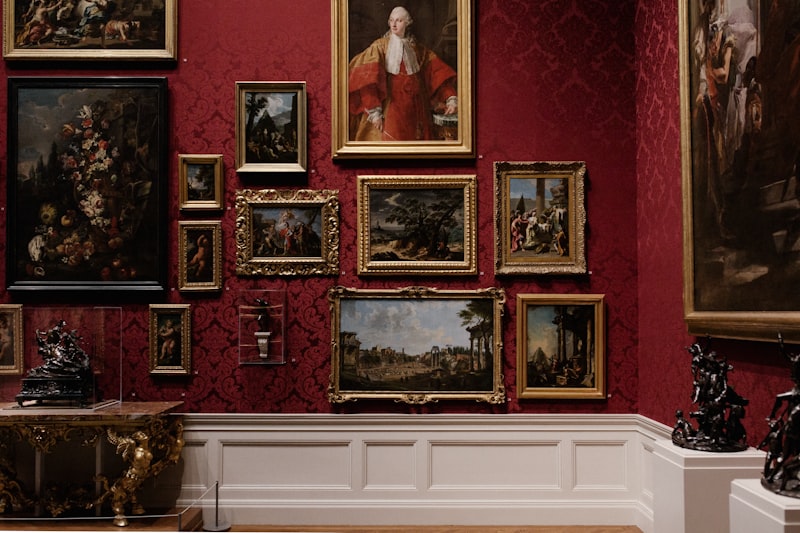
Traditional audio guides require expensive hardware, maintenance, and staff time for distribution and collection. QR codes transform every visitor's smartphone into a personalized audio guide, delivering rich content without hardware costs.
Audio Guide Applications
- Artwork narration: Expert commentary on technique, history, and significance
- Artist voices: Recordings of artists discussing their own work
- Curator insights: Behind-the-scenes perspectives on acquisitions and curation
- Ambient soundscapes: Historical audio recreating the era of the artwork
- Children's tracks: Age-appropriate content for younger visitors
- Accessibility narration: Detailed descriptions for visually impaired visitors
Multi-Language Support
QR codes eliminate the need for separate guides in each language:
- Language selection: Visitors choose their preferred language upon scanning
- Automatic detection: Phone language settings auto-select content
- Community translations: Support for less common languages through volunteer efforts
- Sign language: Video content with sign language interpretation
Self-Paced Exploration
- Visitors control their pace without group constraints
- Deep-dive content available for interested visitors
- Skip options for familiar works
- Bookmark favorites for later revisiting
💡 Offer multiple audio content lengths: a 30-second highlight, a 2-minute overview, and a 5-minute deep dive. This accommodates different visitor paces and interest levels without forcing anyone to wait or rush.
Extended Artwork Information and Context
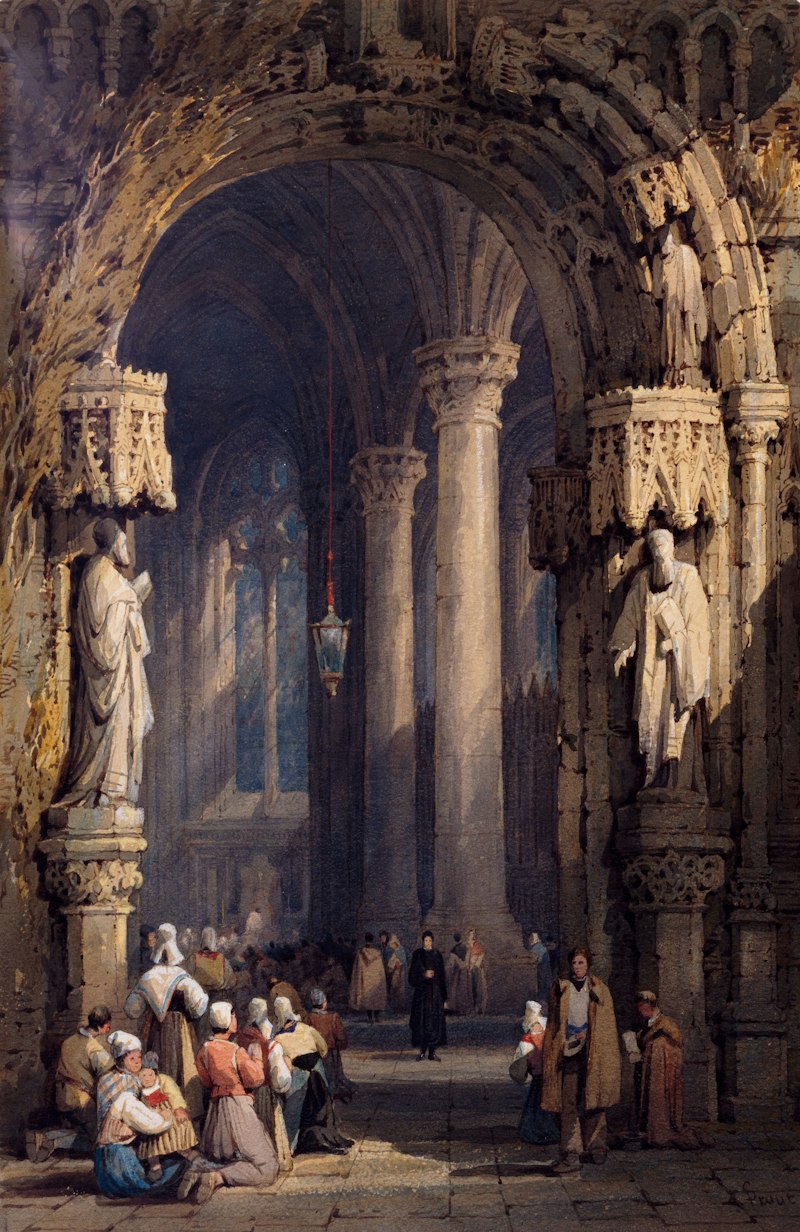
Wall labels are limited by space, readability, and the need to serve diverse audiences. QR codes unlock unlimited supplementary content that enhances understanding without cluttering the visual environment.
Artwork Documentation
- High-resolution images: Zoom into details invisible from viewing distance
- X-ray and infrared: Scientific imaging revealing hidden layers and changes
- Restoration history: Before/after documentation of conservation work
- Provenance details: Complete ownership history and authenticity documentation
- Technical specifications: Materials, dimensions, and creation techniques
Historical and Cultural Context
Place artworks within their broader context:
- Historical timeline: What was happening when this was created
- Artistic movement: How this work fits within broader trends
- Influence mapping: What influenced this work and what it influenced
- Related works: Similar pieces in other collections worldwide
- Scholarly articles: Academic research and analysis
Artist Biographies
- Life story: Comprehensive artist biographies
- Other works: Gallery of the artist's broader portfolio
- Artistic development: How their style evolved over time
- Personal artifacts: Letters, sketches, and personal items
💡 Create QR codes that link to "related works in our collection" pages. This encourages visitors to explore more of your collection and increases engagement with lesser-known pieces.
Interactive and Immersive Experiences

Modern visitors, especially younger generations, expect interactive experiences. QR codes enable immersive engagements that complement traditional contemplation without altering physical exhibits.
Augmented Reality (AR) Experiences
- Artwork reconstruction: See ancient sculptures in original colors
- Missing elements: View damaged works as they originally appeared
- Scale demonstrations: Place virtual artworks in your home environment
- Animation: Bring static artworks to life with subtle movement
- Time-lapse: Watch the creation process unfold
Gamification and Interactive Learning
Engage visitors, especially families, with interactive elements:
- Scavenger hunts: QR codes unlock clues for museum-wide searches
- Quiz challenges: Test knowledge with artwork-specific questions
- Collection badges: Earn digital rewards for visiting themed groups
- Drawing prompts: Art activities inspired by exhibited works
- Story trails: Narrative-driven tours connecting multiple pieces
Virtual and Extended Reality
- 360° room views: See how works appeared in original settings
- Virtual studio visits: Step into artists' creative spaces
- Historical recreations: Experience historical moments depicted in artworks
- Behind-the-scenes: Tours of conservation labs and storage facilities
💡 Create an AR experience that shows ancient Greek and Roman sculptures in their original painted colors. This unexpected revelation often becomes visitors' most memorable moment and drives social media sharing.
Accessibility and Inclusive Design
QR codes are inherently accessible technologies—they require only a smartphone camera to access unlimited accessible content, making museums more welcoming to visitors with diverse needs.
Visual Accessibility
- Audio descriptions: Detailed verbal descriptions of visual artworks
- High-contrast displays: Content optimized for low vision
- Screen reader compatibility: All digital content accessible to screen readers
- Tactile supplements: Links to 3D-printed touchable replicas information
- Large text options: Adjustable font sizes for all content
Hearing Accessibility
Ensure content is accessible to deaf and hard-of-hearing visitors:
- Captioned videos: All video content with accurate captions
- Sign language videos: ASL, BSL, and other sign language interpretations
- Transcripts: Written versions of all audio content
- Visual alerts: Non-audio notifications and guidance
Cognitive Accessibility
- Easy-read versions: Simplified content for cognitive accessibility
- Visual guides: Picture-based navigation and information
- Sensory guides: Prepare visitors for sensory experiences
- Social stories: Help visitors with autism prepare for museum visits
Physical Accessibility
- Wheelchair routes: Accessible pathways through galleries
- Seating locations: Rest areas and bench locations
- Elevator access: Navigation to accessible vertical circulation
- Quiet spaces: Sensory-friendly areas for overwhelmed visitors
💡 Include QR codes at multiple heights—standard eye level for standing visitors and lower placement for wheelchair users. This simple consideration significantly improves accessibility.
Visitor Engagement and Data Insights

QR codes provide museums with valuable data about visitor behavior and preferences, enabling evidence-based decisions about programming, exhibitions, and resource allocation.
Engagement Analytics
- Popular works: Identify which pieces generate most interest
- Visit patterns: Understand how visitors move through galleries
- Dwell time: How long visitors engage with specific content
- Content preferences: Which types of information visitors access most
- Language distribution: Understand your international visitor base
- Peak times: When visitors engage with digital content
Feedback Collection
Gather visitor insights to improve experiences:
- Exhibition ratings: Quick satisfaction surveys
- Suggestion collection: Ideas for future exhibitions or improvements
- Content feedback: Which audio/video content resonates
- Accessibility feedback: How well accommodations serve visitor needs
Visitor Relationship Building
- Email collection: Opt-in newsletter signup during visit
- Membership promotion: Targeted membership offers to engaged visitors
- Event notification: Alert interested visitors to related programming
- Social sharing: Encourage sharing on Instagram and other platforms
- Return visit incentives: Discounts for future visits
💡 Place feedback QR codes at gallery exits with simple 1-5 star ratings. High response rates provide valuable data while requiring minimal visitor effort.
Special Exhibitions and Temporary Displays
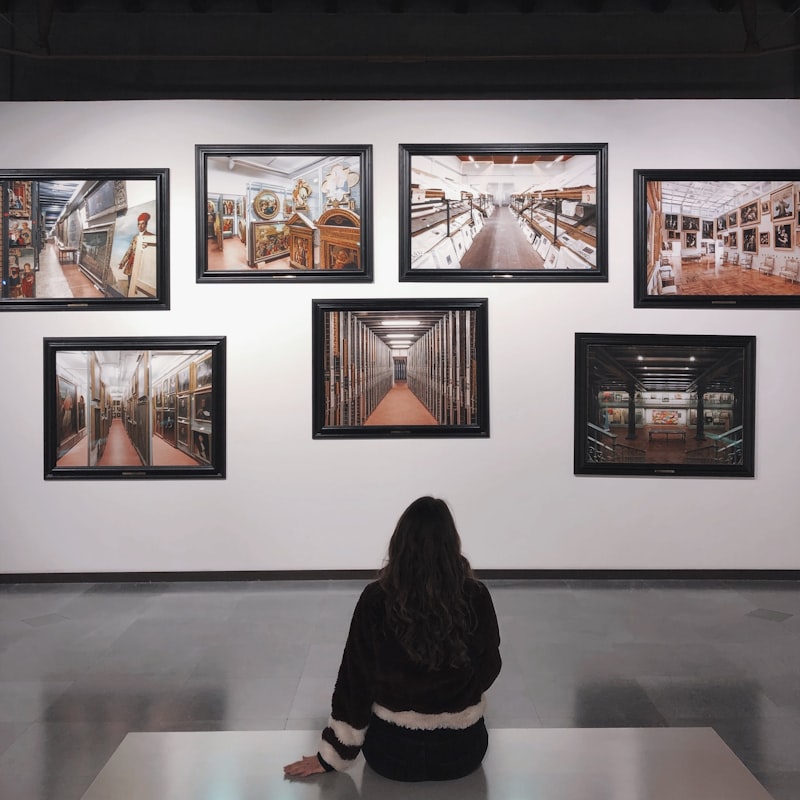
Temporary exhibitions have unique challenges—short timelines, borrowed works, and high expectations. QR codes offer flexible solutions that can be deployed quickly and updated as needed.
Exhibition-Specific Content
- Curatorial essays: In-depth exploration of exhibition themes
- Lender information: Acknowledge works from other institutions
- Exhibition catalog preview: Sample pages from accompanying publications
- Artist statements: Living artists discussing their exhibited work
- Installation documentation: Time-lapse of exhibition setup
Event Programming
Connect visitors with related events:
- Lecture schedules: Related talks and presentations
- Workshops: Hands-on activities related to exhibition themes
- Film screenings: Documentaries about artists or movements
- Opening receptions: RSVP for special events
- Guided tours: Book curator-led or docent tours
Quick Deployment Advantages
- Printed QR codes can be placed in hours, not weeks
- Content can be updated after exhibition opens
- Easy removal without wall damage when exhibition closes
- Multilingual content added without reprinting materials
- A/B testing different content approaches
Create exhibition QR codes with our free generator.
💡 Create a single QR code linking to your exhibition landing page rather than individual codes for each work in temporary shows. This reduces production time and allows you to update all content from one location.
Create Your QR Code
Ready to create your QR code? Our generator is free, fast, and requires no signup.
Useful Resources
Conclusion
QR codes offer museums and galleries a powerful, cost-effective way to enhance visitor experiences while gathering valuable insights about engagement and preferences. From audio guides that eliminate hardware costs to interactive AR experiences that captivate younger audiences, these versatile codes bridge the gap between physical collections and digital enrichment.
Successful museum QR implementations balance enrichment with restraint—providing depth for those who seek it while preserving the contemplative experience for those who prefer unmediated engagement with art and artifacts. Start with high-value applications like multilingual audio guides and accessibility features, then expand based on visitor feedback and analytics.
Ready to enhance your museum or gallery with QR codes?
Create professional exhibition QR codes with our free URL generator. For event programming, use our Event QR Generator. For audio content, our Audio QR Generator links directly to audio files. All tools are free, with no registration required.