
QR Codes for Medical & Dental Clinics
QR codes for healthcare. Patient check-in, appointment booking, forms, health information. HIPAA-compliant best practices.
The healthcare industry is undergoing a profound digital transformation, and QR codes are at the forefront of this evolution. From streamlining patient check-in processes to providing instant access to medical records and post-care instructions, QR codes are revolutionizing how healthcare facilities operate and how patients interact with their providers. According to <a href="https://www.healthit.gov/topic/health-it-and-health-information-exchange-basics/what-hie" target="_blank" rel="noopener">HealthIT.gov research</a>, digital health tools have shown to reduce administrative costs by up to 30% while improving patient satisfaction scores. This comprehensive guide explores how medical practices, dental offices, hospitals, and clinics can leverage QR codes to enhance patient experience, improve operational efficiency, ensure regulatory compliance, and ultimately deliver better healthcare outcomes. Whether you're a small family practice or a large hospital system, these strategies will help you modernize your patient engagement while maintaining the personal touch that healthcare demands.
Table of Contents
Contactless Patient Check-In and Registration
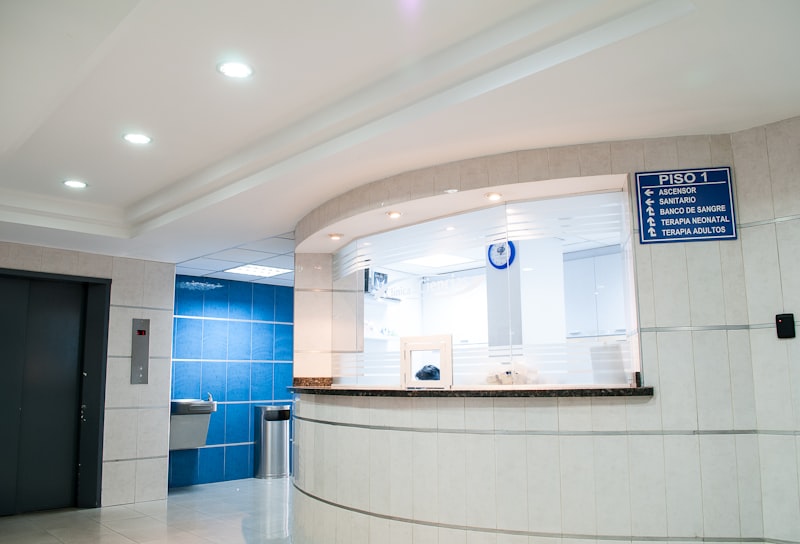
The traditional check-in process—clipboards, paper forms, and manual data entry—creates bottlenecks, increases errors, and poses infection control challenges. QR code check-in systems transform this experience for both patients and staff.
How QR Check-In Works
Patients scan a QR code upon arrival to begin the check-in process on their own device:
- Pre-arrival registration: Send QR codes in appointment confirmations for patients to complete forms at home
- Lobby kiosks: Display QR codes at entrance for walk-in digital check-in
- Self-service updates: Patients verify and update demographic information on their phones
- Insurance verification: Capture insurance card photos directly through mobile interface
- Consent forms: Digital signatures for treatment consents and HIPAA acknowledgments
Benefits for Healthcare Facilities
- Reduced wait times: Studies show QR check-in reduces average wait times by 40%
- Staff efficiency: Freed front desk staff can focus on patient needs rather than data entry
- Data accuracy: Patient-entered information reduces transcription errors
- Infection control: Minimizes shared touchpoints like pens, clipboards, and kiosks
- Environmental benefits: Eliminates paper form printing and storage
Implementation Best Practices
- Ensure mobile forms are HIPAA-compliant with secure data transmission
- Provide tablet alternatives for patients without smartphones
- Staff should be trained to assist less tech-savvy patients
- Test QR codes in various lighting conditions throughout your facility
💡 Place QR codes at multiple heights and locations in your waiting area to accommodate patients in wheelchairs, those with visual impairments (larger codes), and standing vs. seated positions.
Digital Intake Forms and Medical History

Medical intake forms are essential but time-consuming. QR codes streamline this process while ensuring accurate, complete patient information reaches your EHR system.
Types of Forms Suited for QR Delivery
- New patient intake: Comprehensive medical history, medications, allergies
- Specialty-specific forms: Dental history, surgical pre-assessment, mental health screening
- Annual updates: Medication changes, new conditions, updated emergency contacts
- Pre-procedure questionnaires: Fasting confirmation, medication holds, transportation arrangements
- Consent documents: Procedure consents, research participation, photo/video release
Smart Form Features
Digital forms accessed via QR codes can include features impossible with paper:
- Conditional logic: Show relevant questions based on previous answers
- Auto-population: Pull existing patient data to reduce re-entry
- Medication databases: Searchable drug lists prevent misspellings
- Real-time validation: Catch errors before submission
- Language selection: Automatic translation for non-English speakers
- Accessibility features: Screen reader compatibility, adjustable text size
EHR Integration
Ensure your QR-linked forms integrate with your electronic health records:
- Direct data flow into patient charts eliminates manual entry
- Triggers alerts for medication interactions or allergy concerns
- Maintains audit trails for compliance documentation
- Supports HL7 FHIR standards for interoperability
💡 Send the intake form QR code 48-72 hours before scheduled appointments via email or text. Patients who complete forms in advance have shorter visit times and better preparation for their appointments.
Patient Education and Post-Care Instructions

Patient education is crucial for treatment adherence and positive outcomes, yet printed materials are often lost, forgotten, or not fully understood. QR codes provide instant access to comprehensive, multimedia educational resources.
Post-Procedure Care Instructions
QR codes on discharge paperwork link to detailed care guides:
- Surgical aftercare: Wound care videos, activity restrictions, warning signs
- Dental procedures: Post-extraction care, crown/filling precautions
- Medication guides: Dosing schedules, side effects, interaction warnings
- Physical therapy: Exercise demonstration videos with proper form
- Recovery milestones: What to expect day-by-day after procedures
Chronic Disease Management
Ongoing conditions benefit from easily accessible resources:
- Diabetes management: Blood sugar logging, diet guides, injection techniques
- Cardiac care: Exercise guidelines, medication schedules, symptom diaries
- Mental health: Coping strategies, crisis resources, journaling prompts
- Asthma/COPD: Inhaler technique videos, trigger avoidance, action plans
Preventive Health Resources
- Screening reminders: Age-appropriate screenings and immunizations
- Lifestyle guidance: Nutrition, exercise, stress management
- Risk assessments: Interactive tools for disease risk evaluation
- Community resources: Support groups, smoking cessation, weight management programs
Create patient education QR codes with our free URL generator.
💡 Create QR codes that link to password-protected patient portals for personalized post-care instructions. This ensures the right patient accesses their specific care plan while maintaining privacy.
Appointment Scheduling and Reminders

No-shows cost healthcare practices an estimated $150 billion annually. QR codes integrated into appointment management can significantly reduce missed appointments and streamline scheduling.
QR-Powered Scheduling Solutions
- Online booking links: QR codes on business cards, signage, and materials link directly to scheduling systems
- Calendar integration: Event QR codes add appointments directly to patient calendars
- Rescheduling portals: Easy access to change appointments without calling
- Waitlist signup: Join cancellation waitlists for earlier appointments
Reminder Integration
QR codes enhance appointment reminder effectiveness:
- Confirmation QR codes: Patients scan to confirm attendance
- Pre-visit preparation: Links to instructions (fasting, medication holds)
- Location/parking info: Maps and parking instructions for facility navigation
- Telehealth links: Direct access to virtual visit platforms
Reducing No-Shows
- Multiple reminder touchpoints with QR access increase confirmation rates
- Easy rescheduling reduces silent no-shows (patients reschedule instead of not appearing)
- Pre-visit preparation completion indicates higher show-up likelihood
- Track QR engagement to predict no-show risk and implement proactive outreach
💡 Include QR codes in appointment reminder texts that link to "confirm" or "reschedule" options. This single tap/scan interaction dramatically increases response rates compared to requiring patients to call.
Payment and Insurance Processing

Healthcare billing is notoriously complex and often frustrating for patients. QR codes simplify payment processes and improve collection rates while reducing administrative burden.
Payment Applications
- Statement payments: QR codes on paper statements link to online payment portals
- Point-of-service collection: Scan to pay co-pays before or after visits
- Payment plan setup: Easy enrollment in installment arrangements
- HSA/FSA payments: Streamlined health savings account transactions
Insurance Verification
QR codes facilitate insurance information exchange:
- Card capture: Patients scan QR to photograph insurance cards for file
- Eligibility verification: Real-time benefits checking before visits
- Prior authorization: Patient access to authorization status and requirements
- Explanation of benefits: Links to EOB details and appeals processes
Financial Counseling
- Cost estimates: QR links to procedure cost calculators
- Financial assistance: Applications for charity care or payment programs
- Price transparency: Access to published pricing as required by regulations
💡 Include QR codes on patient statements that link directly to a pre-populated payment page showing the exact amount due. Reducing friction increases on-time payment rates significantly.
Compliance, Safety, and Emergency Information

Healthcare facilities must meet stringent regulatory requirements while ensuring patient and staff safety. QR codes support compliance documentation and emergency preparedness.
Regulatory Compliance
- HIPAA notices: QR links to full privacy practices documentation
- Patient rights: Accessible information about patient rights and responsibilities
- Non-discrimination policies: Required notices in accessible formats
- Informed consent archives: Patients can access signed documents
- Grievance procedures: Easy access to complaint filing processes
Facility Safety
QR codes support safety protocols:
- Emergency procedures: Evacuation routes and assembly points
- Equipment instructions: Proper use of medical devices and safety equipment
- Incident reporting: Anonymous reporting of safety concerns
- Visitor policies: Current visitation rules and requirements
Medical Emergency Information
- Medical alert QR codes: vCard QR codes with emergency contacts and medical conditions
- Medication lists: Current medications accessible for emergency responders
- Allergy alerts: Critical allergy information for emergency situations
- Advance directives: Living will and healthcare proxy access
Generate healthcare QR codes with our free, HIPAA-mindful generator that processes data locally in your browser.
💡 Create medical ID QR codes for patients with chronic conditions, allergies, or complex medication regimens. These can be worn on bracelets or kept in wallets for emergency situations when patients may be unable to communicate.
Create Your QR Code
Ready to create your QR code? Our generator is free, fast, and requires no signup.
Useful Resources
HealthIT.gov - Health Information Exchange
Official government resources on digital health transformation and interoperability
HHS HIPAA Guidelines
Official HIPAA privacy and security rules for digital health information
AMA Digital Health Implementation
American Medical Association resources on digital health adoption
Conclusion
QR codes represent a powerful tool for healthcare modernization that improves patient experience while increasing operational efficiency. From contactless check-in and digital intake forms to patient education and streamlined payments, QR technology addresses many of healthcare's most persistent friction points.
The key to successful healthcare QR implementation lies in thoughtful integration with existing workflows, attention to accessibility and privacy requirements, and ongoing optimization based on patient and staff feedback. Start with high-impact, low-complexity applications like check-in and appointment reminders, then expand to more sophisticated uses as your organization builds comfort with the technology.
Ready to modernize your healthcare practice with QR codes?
Create professional healthcare QR codes with our free URL generator. For appointment integration, use our Event QR Code Generator. For emergency medical information, try our vCard QR Generator. All tools process data locally in your browser—nothing is transmitted to servers—providing an extra layer of privacy appropriate for healthcare applications.