
QR Code Security: Best Practices Guide
Learn QR code security best practices. Avoid phishing, malware, and data theft. Protect yourself and your customers with our comprehensive guide.
QR codes have become an integral part of daily life—from restaurant menus and payment systems to event tickets and product authentication. However, this ubiquity has attracted the attention of cybercriminals who exploit QR codes for malicious purposes. According to the <a href="https://www.fbi.gov/contact-us/field-offices/portland/news/press-releases/fbi-releases-warning-about-malicious-qr-codes" target="_blank" rel="noopener">FBI's cybersecurity warnings</a>, QR code-related attacks have increased significantly, with criminals using them for phishing, malware distribution, and financial fraud. Understanding these risks—and how to mitigate them—is essential for both individuals scanning codes and businesses creating them. This comprehensive guide covers everything you need to know about QR code security: common attack vectors, how to identify suspicious codes, best practices for safe scanning, and how to create secure QR codes that protect your customers and your brand reputation. Whether you're a consumer wanting to scan safely or a business owner creating QR codes, these security principles will help you navigate the QR landscape confidently.
Table of Contents
Understanding QR Code Security Threats

QR codes themselves are not inherently dangerous—they're simply a method of encoding information. The threat lies in what that encoded information directs users to do. Understanding the attack landscape is the first step to protection.
Quishing (QR Code Phishing)
The most common QR code attack is "quishing"—phishing attacks delivered via QR code:
- Fake login pages: QR codes redirect to convincing replicas of banking, email, or social media login pages
- Credential harvesting: Users unknowingly submit usernames and passwords to attackers
- Session hijacking: Attackers steal authentication tokens or session cookies
- Multi-factor bypass: Some attacks trick users into approving fraudulent 2FA requests
According to Proofpoint research, quishing attacks increased by over 400% in 2023, making it one of the fastest-growing attack vectors.
Malware Distribution
QR codes can initiate automatic downloads or redirect to malware-hosting sites:
- Drive-by downloads: Malicious files download automatically when visiting the linked page
- Fake app stores: Links to counterfeit app stores hosting trojanized applications
- Exploit kits: Pages that probe for and exploit browser vulnerabilities
- Ransomware delivery: Business-targeting attacks that encrypt critical data
Financial Fraud
QR codes in payment contexts create opportunities for theft:
- Payment redirection: Replacing legitimate payment QR codes with fraudulent ones
- Cryptocurrency theft: Directing users to send crypto to attacker wallets
- Invoice manipulation: QR codes on fake invoices directing payments to criminals
- ATM and kiosk fraud: Overlay attacks on legitimate payment terminals
Data Exfiltration
Some QR attacks focus on stealing information rather than money:
- Contact harvesting: Malicious vCards that extract phone contacts when added
- Location tracking: QR codes that report user location to attackers
- Device fingerprinting: Collecting device information for targeted attacks
- Corporate espionage: Targeted attacks on business employees
💡 The FBI recommends treating QR codes with the same caution as email links. Never scan a QR code from an untrusted source, and always verify the destination before entering any personal information.
How to Identify Suspicious QR Codes

Not all threats are immediately obvious, but learning to recognize warning signs significantly reduces your risk of falling victim to QR code attacks.
Physical Warning Signs
In-person QR codes may show evidence of tampering:
- Stickers over stickers: Fraudulent codes placed over legitimate ones—look for raised edges or misalignment
- Poor print quality: Pixelated or low-resolution codes may indicate counterfeit materials
- Unofficial placement: QR codes on surfaces where they wouldn't normally appear
- Missing context: Legitimate QR codes usually have explanatory text about what they do
- Damaged or weathered codes: Old codes may have been replaced with malicious versions
URL Red Flags
Always preview the URL before visiting. Watch for these warning signs:
- Misspelled domains: "g00gle.com" instead of "google.com" (letter substitution)
- Extra characters: "google-security.com" or "google.com.malicious.site"
- URL shorteners: bit.ly, tinyurl, or other shorteners that hide the true destination
- IP addresses: Numeric URLs (192.168.1.1) instead of domain names
- Missing HTTPS: Secure sites use "https://"—though attackers can also use HTTPS
- Unusual TLDs: Strange top-level domains like .xyz, .top, .click may indicate scams
Contextual Red Flags
Consider the situation and whether the QR code makes sense:
- Unsolicited codes: QR codes arriving by mail or email that you didn't expect
- Urgency pressure: "Scan immediately to avoid account suspension!"
- Too-good-to-be-true offers: Promises of free money, prizes, or extreme discounts
- Requests for sensitive info: Legitimate services rarely ask for passwords via QR
- Public unsecured locations: QR codes on public bulletin boards or transit stations
Digital Context Warnings
QR codes in digital communications carry additional risks:
- Email attachments: QR codes in PDFs or images attached to emails
- Social media DMs: Unsolicited QR codes from unknown accounts
- Text messages: SMS "smishing" attacks often include QR codes
- Compromised websites: QR codes injected into hacked legitimate sites
💡 If a QR code seems suspicious, don't scan it. Instead, manually type the organization's official URL into your browser. The few seconds saved by scanning aren't worth the risk of compromising your accounts or device.
Best Practices for Safe QR Code Scanning

Following consistent security practices when scanning QR codes dramatically reduces your exposure to threats. These habits should become automatic.
Use Your Phone's Native Camera App
Stick to built-in scanning capabilities rather than third-party apps:
- iOS Camera app: Automatically detects and shows URL preview before opening
- Google Lens / Android Camera: Similar preview functionality on Android devices
- Avoid third-party scanners: Some free QR apps contain adware or collect excessive data
- Keep your OS updated: Security patches address QR-related vulnerabilities
Always Preview Before Proceeding
Take time to examine the destination URL:
- Read the full URL: Don't just glance—look for misspellings and suspicious elements
- Verify the domain: Ensure it's the official domain you expect
- Check for HTTPS: Look for the padlock icon, but remember HTTPS alone doesn't guarantee safety
- Be skeptical of redirects: If the preview shows one URL but you land on another, leave immediately
Verify Before Entering Information
Extra caution is needed when a QR-linked page requests data:
- Never enter passwords: Legitimate organizations rarely request password entry via QR code
- Be wary of payment requests: Verify payment QR codes through an independent channel
- Question personal data requests: Why does this page need your SSN, birthday, or address?
- Watch for urgency tactics: Pressure to act quickly is a manipulation technique
Protect Your Device
Maintain strong device security as a safety net:
- Keep software updated: Install OS and browser updates promptly
- Use security software: Mobile antivirus can catch some malicious sites
- Enable browser security features: Safe Browsing, phishing protection, etc.
- Use password manager: Won't auto-fill on phishing sites with wrong domains
- Enable 2FA everywhere: Limits damage if credentials are compromised
Corporate and Business Scanning Policies
Organizations should establish QR security guidelines:
- Employee training: Educate staff about QR code risks
- Approved scanner apps: Specify which apps are allowed on work devices
- Reporting procedures: How to report suspicious QR codes
- Network segmentation: Isolate devices that frequently scan unknown codes
💡 Set up a "QR scanning ritual": Scan → Preview URL → Verify domain → Check for HTTPS → Proceed only if everything looks legitimate. This 5-second habit could prevent a major security incident.
Creating Secure QR Codes for Your Business

If you create QR codes for your business, you have a responsibility to protect your customers—and your reputation. Security-conscious QR code practices build trust and demonstrate professionalism.
Privacy-First Generation
Choose QR code tools that respect data privacy:
- Client-side generation: QR codes created in the browser, not uploaded to servers
- No tracking by default: Avoid tools that inject tracking pixels without disclosure
- No account required: Tools requiring login may store your URL data
- Open-source options: Verifiable code that can be audited for security
Our QR code generator processes everything locally in your browser—no data is ever sent to our servers.
Use HTTPS Destinations
All QR code destinations should use encrypted connections:
- SSL certificates: Ensure your landing pages have valid HTTPS
- No mixed content: All page resources should load over HTTPS
- HSTS enabled: Prevent protocol downgrade attacks
- Certificate monitoring: Alert on expiring or revoked certificates
Link Management and Monitoring
Maintain control over your QR code destinations:
- Use branded domains: yourbrand.com/menu instead of bit.ly/xyz123
- Monitor for hijacking: Regularly verify QR codes still point to your content
- Domain renewal alerts: Don't let linked domains expire
- 404 monitoring: Catch broken links before customers do
Physical Security
Protect printed QR codes from tampering:
- Secure printing: Use trusted vendors for QR code materials
- Tamper-evident materials: Security stickers that show if removed
- Regular audits: Periodically check physical QR codes haven't been replaced
- Staff awareness: Train employees to recognize and report tampering
Customer Communication
Set expectations and build trust:
- Label your codes: Clear text explaining what the QR code does
- Show destination URLs: Print the URL alongside the code
- Provide alternatives: Offer manual URLs for security-conscious users
- Security page: Document your QR security practices publicly
💡 Always print the destination URL alongside your QR codes. This allows security-conscious users to verify the destination and manually type the URL if they prefer not to scan. It also makes tampering more obvious.
WiFi QR Code Security Considerations

WiFi QR codes present unique security considerations because they automatically configure network connections. Both creators and scanners need to understand these risks.
Risks of Scanning Unknown WiFi QR Codes
Connecting to untrusted networks exposes you to numerous threats:
- Evil twin attacks: Malicious networks mimicking legitimate ones to intercept traffic
- Man-in-the-middle: Attackers positioning themselves between you and the internet
- Traffic monitoring: Unencrypted data visible to network operators
- Device profiling: Collecting information about connected devices
- Credential capture: Fake login portals harvesting credentials
Safe WiFi QR Scanning Practices
- Verify the source: Only scan WiFi QR codes from trusted establishments
- Check network names: Ensure the SSID matches what you expect
- Confirm with staff: Ask employees if the QR code is legitimate
- Use VPN: Encrypt your traffic when on any public WiFi
- Avoid sensitive activities: Don't access banking or enter passwords on public networks
Creating Secure WiFi QR Codes
Businesses providing WiFi QR codes should follow security best practices:
- Use WPA3 or WPA2: Never create QR codes for WEP or open networks
- Strong passwords: Long, random passwords even if shared via QR
- Regular rotation: Change WiFi passwords and update QR codes periodically
- Guest network isolation: Separate guest WiFi from internal business network
- Bandwidth limiting: Prevent abuse and DoS from guest devices
- Terms of service: Display acceptable use policies
Network Monitoring
Protect your network and guests:
- Monitor connected devices: Watch for unauthorized or suspicious clients
- Block malicious sites: DNS filtering on guest networks
- Log retention: Maintain logs for security incident investigation
- Intrusion detection: Alert on attack patterns and anomalies
💡 Create separate guest WiFi networks isolated from your business systems. Use your router's guest network feature to provide customer WiFi access while protecting internal resources from potential threats.
Payment and Financial QR Code Security
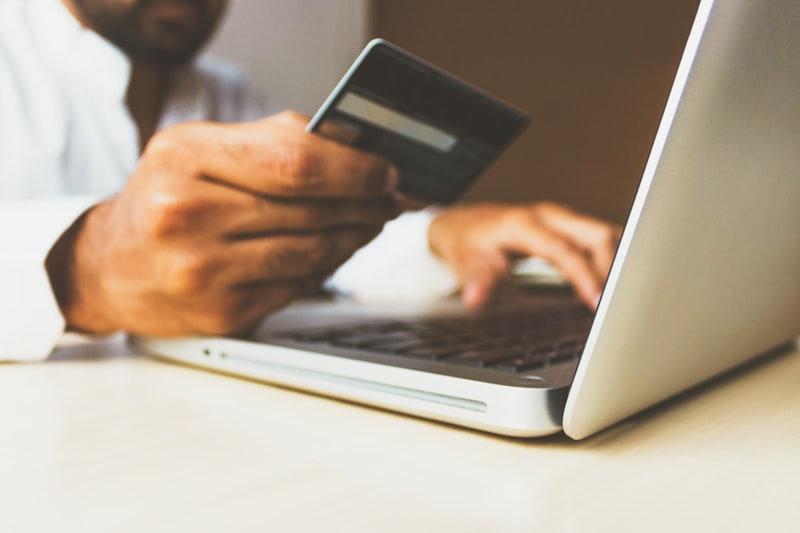
QR codes for payments require the highest level of security scrutiny. Financial QR code fraud has become increasingly sophisticated, requiring vigilance from both payers and payees.
Payment QR Code Attack Vectors
- Code replacement: Criminals place their QR codes over legitimate payment codes
- Invoice fraud: Fake invoices with QR codes directing payments to attacker accounts
- Request manipulation: Changing payment amounts in dynamic QR codes
- Cryptocurrency scams: Fake giveaways or investments requiring QR payments
- POS terminal overlays: Physical devices placed over legitimate payment terminals
Safe Practices for Payment QR Scanning
Protect yourself when making QR code payments:
- Verify the recipient: Confirm the payment is going to the intended party
- Check the amount: Review payment details before confirming
- Use official apps: Pay through official bank or payment provider apps
- Look for tampering: Inspect physical QR codes for stickers or overlays
- Request receipts: Get confirmation of legitimate transactions
- Set transaction limits: Cap automatic QR payment amounts
Creating Secure Payment QR Codes
Businesses accepting QR payments should implement robust security:
- Tamper-proof displays: Mount QR codes securely to prevent replacement
- Regular verification: Staff should periodically verify codes are unchanged
- Dynamic codes: Use one-time or expiring codes when possible
- Transaction monitoring: Alert on unusual payment patterns
- Customer verification: Display your business name in payment apps
Cryptocurrency QR Security
Bitcoin and Ethereum QR codes require extra caution:
- Verify wallet addresses: Check multiple characters, not just the beginning
- Double-check amounts: Crypto transactions are irreversible
- Use hardware wallets: More secure than software wallets for large transactions
- Be skeptical of "giveaways": No legitimate promotion requires you to send crypto first
- Test with small amounts: Send a tiny amount first to verify the address
💡 Before making any payment via QR code, independently verify the recipient through another channel. Call the business, check their official website, or confirm in person. Never trust a QR code alone for high-value transactions.
Create Your QR Code
Ready to create your QR code? Our generator is free, fast, and requires no signup.
Useful Resources
FBI QR Code Security Alert
Official FBI warning about malicious QR code exploitation and protection recommendations
NIST Cybersecurity Framework
Comprehensive cybersecurity guidelines applicable to QR code implementation
CISA Mobile Security Guidelines
Government guidance on mobile device security including QR scanning best practices
Conclusion
QR code security is a shared responsibility between those who create codes and those who scan them. As QR adoption continues to grow, so too will the sophistication of attacks targeting this technology. However, by understanding the threat landscape, recognizing warning signs, and following security best practices, both individuals and businesses can safely harness the convenience of QR codes while minimizing risk.
For scanners, the key principles are simple: always preview URLs, verify destinations match expectations, and never enter sensitive information on QR-linked pages without independent verification. For businesses creating QR codes, privacy-first generation, secure hosting, physical protection, and transparent communication build customer trust and protect your reputation.
Create secure QR codes with confidence
Our QR code generator is built with security and privacy as foundational principles. All codes are generated entirely in your browser—no data is transmitted to or stored on servers. Create URL QR codes, WiFi codes, Bitcoin payment codes, and more with complete confidence in your privacy. Free forever, no registration required.